2026 Top Inverter for RVs What to Look For?
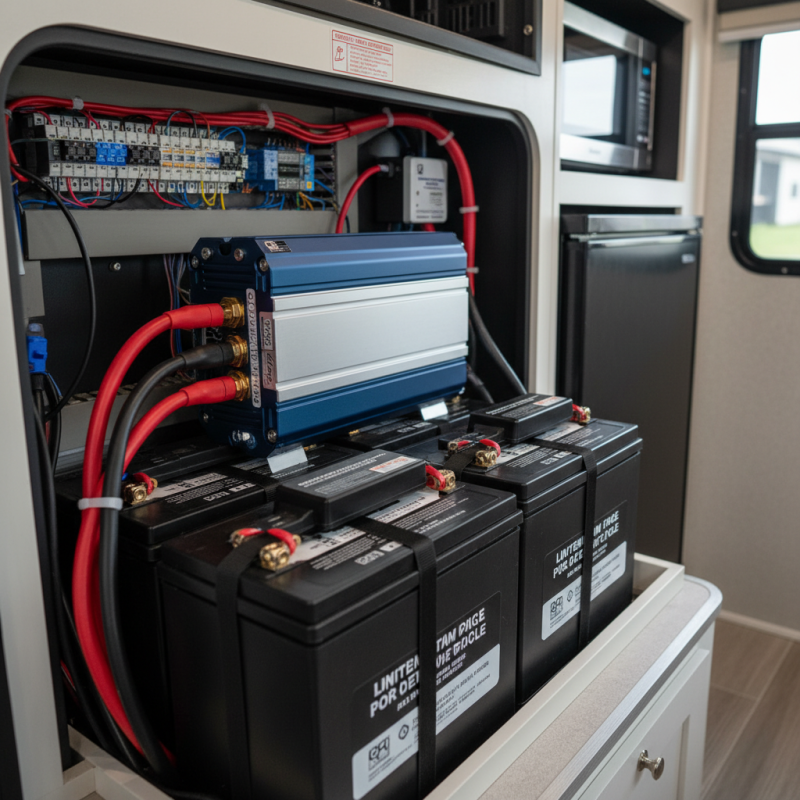
When it comes to choosing an inverter for RV, several crucial factors emerge. An inverter converts DC power from batteries into AC power, essential for powering various appliances. The right inverter for RV can greatly enhance your camping experience, allowing you to run devices like refrigerators and microwaves.
As you explore the options, consider wattage needs. Different appliances require different power levels. Too little power means a frustrating experience. On the other hand, selecting an overpowered unit can lead to overspending and wasted energy.
Battery compatibility is another key aspect. Ensure your inverter matches your battery type and capacity. It's important to avoid mismatches that could cause damage. In addition, look for features like surge protection. This can save your devices from sudden power spikes. A reliable inverter for RV not only serves your immediate needs but also supports long-term adventures.
Choosing the Right Inverter Type for Your RV Needs
When choosing the right inverter for your RV, understanding different types is crucial. Inverters convert DC power from batteries into AC power for your appliances. The two main types are pure sine wave and modified sine wave inverters. Pure sine wave inverters are ideal for sensitive electronics. They provide a clean and stable power source. Modified sine wave inverters, on the other hand, are more affordable. However, they may not power all devices efficiently.
**Tips:** Consider your power needs. Calculate the wattage of your appliances. This will guide you in selecting the right inverter size. Don't forget to assess the battery capacity of your RV. A good match between your inverter and battery ensures lasting power.
Keep in mind that an inverter is a critical component of your RV. It can impact your travel experience significantly. If you choose the wrong type, you might face issues. Appliances may not work as expected, causing frustration. Balance cost with the reliability of performance to avoid regretting your choice later.
2026 Top Inverter Options for RVs
Key Specifications to Consider for RV Inverters
When selecting an inverter for RVs, key specifications can significantly influence your choice. Power output is crucial. Look for inverters that provide sufficient wattage for all your devices. Remember, too much power can be wasteful, leading to unnecessary costs. Matching the inverter's output to your needs is essential.
Next, consider the inverter's type. Modified sine wave inverters are common but might not work well for sensitive electronics. Pure sine wave inverters, while more expensive, offer cleaner power. This type can prevent potential damage to fragile equipment. Size and weight also matter. Compact designs save space in RVs. However, they might compromise power and features.
Don't overlook efficiency ratings. Higher efficiency leads to better battery usage. However, achieving high efficiency can be a challenge, as it may require quality components. Check for built-in safety features too. Overload protection, short circuit prevention, and thermal shutdown can safeguard your devices. Reflecting on these aspects equips you to make a wiser choice.
2026 Top Inverter for RVs: What to Look For? - Key Specifications to Consider for RV Inverters
| Specification |
Details |
| Output Power |
2000W - 4000W |
| Input Voltage |
12V or 24V |
| Output Waveform |
Pure Sine Wave |
| Efficiency |
>90% |
| Weight |
15 - 30 lbs |
| Dimensions |
12 x 8 x 4 inches |
| Cooling Method |
Fan-Cooled |
| Overload Protection |
Yes |
| USB Ports |
2 Ports |
| Price Range |
$250 - $800 |
Efficiency Ratings and Their Importance for RV Power Supply
When considering an inverter for RVs, efficiency ratings play a crucial role in power supply. These ratings indicate how well an inverter converts DC power from batteries into usable AC power. According to industry reports, an efficient inverter can have ratings above 90%. This means less energy loss during conversion. High efficiency leads to longer battery life, which is essential when camping off the grid.
Many RV owners overlook the significance of these ratings. A lower efficiency inverter may seem cheaper upfront. However, over time, it can lead to higher energy costs and quicker battery depletion. The difference in performance can be substantial. A study revealed that using a 90% efficient inverter can save up to 20% in energy when compared to those with lower performance metrics.
Additionally, various factors influence efficiency. The load applied to the inverter can change its effectiveness. Some models may operate efficiently at low loads but struggle at higher demands. Ultimately, selecting an inverter is not just about capacity. Efficiency ratings should always be a primary consideration, impacting both performance and operational costs.
Size and Weight Considerations for RV Inverters
When selecting an inverter for your RV, size and weight play a crucial role. An inverter should fit snugly within your available space. Compact models are ideal for smaller RVs that lack storage area. However, don’t sacrifice power for size. Each unit varies in wattage, which directly affects performance. Understand your energy needs. Consider your appliances' power requirements.
Weight is another important factor. Heavier inverters can negatively impact fuel efficiency. They may also affect your RV's handling. If you travel frequently, lightweight options are more practical. Assess the overall payload capacity of your vehicle. Balancing size and weight is essential for safety and performance.
Many travelers overlook how an inverter's footprint can limit their options. Large units can block ventilation, causing overheating. Furthermore, an unbalanced load can increase wear on your RV's components. Inverter placement should allow for optimal airflow and accessibility. Think carefully about where to install your inverter. It may require adjustments to your existing setup, which could lead to unforeseen challenges.