Top 10 Benefits of Sine Wave Inverters for Your Energy Needs?
In an era defined by rapid technological advancement, the role of Sine Wave Inverters in energy solutions cannot be overlooked. These devices convert direct current (DC) to alternating current (AC), providing clean power for a variety of applications. According to a recent report by the International Energy Agency, the global market for inverters is expected to grow by 20% annually through 2025, underscoring their rising importance in renewable energy systems.
Industry expert Dr. John Davidson emphasized the significance of Sine Wave Inverters: “Quality conversion is crucial for maximizing the efficiency of solar panels and other renewable sources.” This statement highlights the vital role these inverters play in harnessing sustainable energy efficiently. Many users experience disruptions or inefficiencies with modified sine wave systems, which can lead to equipment damage and increased costs.
Sine Wave Inverters offer numerous benefits for homes and businesses alike, yet they may come with a higher initial investment. Consumers must weigh the long-term savings and reliability against upfront costs. The advantages are clear, but considerations about efficiency and longevity should guide your choice. Understanding these factors can lead to informed decisions that better align with energy needs and financial goals.
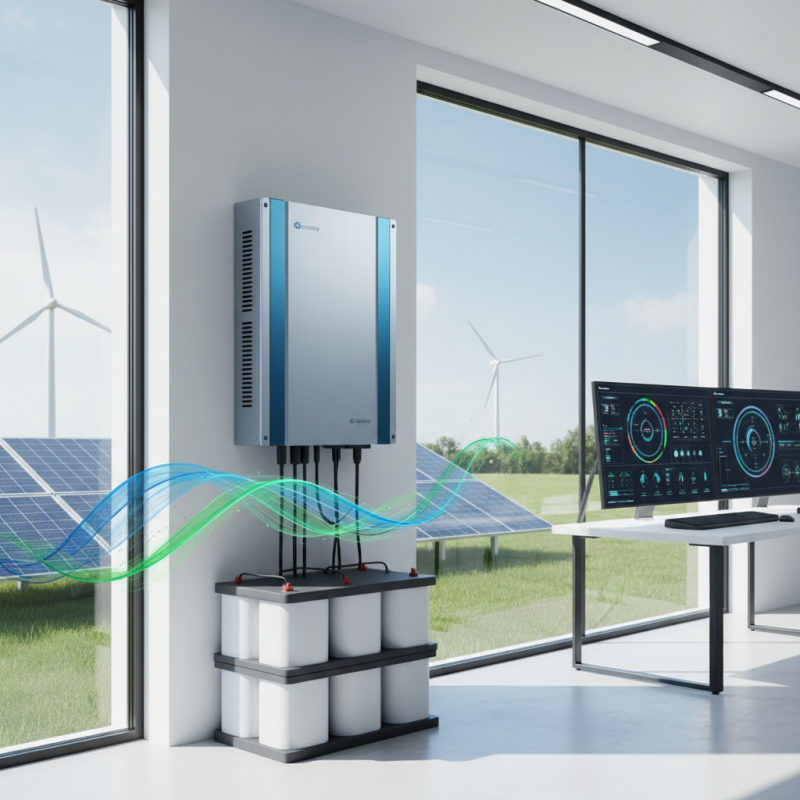
Advantages of Sine Wave Inverters for Energy Efficiency
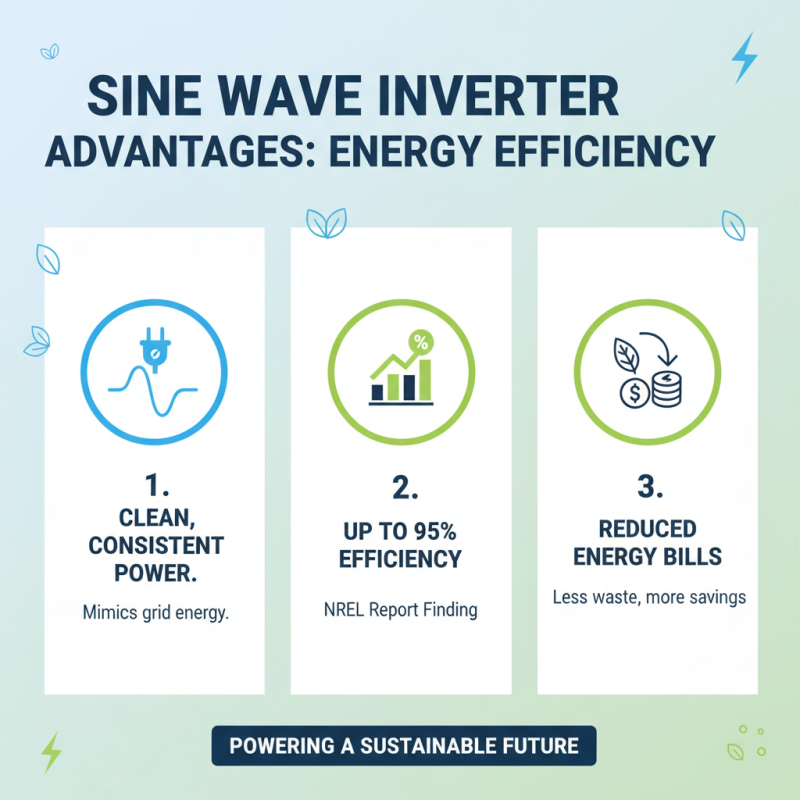
Sine wave inverters have become popular due to their energy efficiency. These devices output clean, consistent power that resembles the energy provided by the grid. According to a report by the National Renewable Energy Laboratory, sine wave inverters can achieve efficiency levels of up to 95%. This high efficiency directly translates to reduced energy consumption and lower electricity bills.
One significant advantage of sine wave inverters is their compatibility with a wide range of devices. They can power sensitive electronics, including computers and medical equipment, without causing distortion. In fact, studies show that using a sine wave inverter can extend the lifespan of these devices by reducing wear and tear. Yet, this does come with a consideration. Some less efficient inverters can produce a type of output that might be harmful to certain devices.
Moreover, sine wave inverters facilitate better integration with renewable energy sources. They work exceptionally well with solar panels, ensuring maximum power extraction. According to a recent research article published in Energy Reports, using high-quality sine wave inverters can increase solar system efficiency by 15% compared to alternative inverter types. This compatibility encourages more sustainable energy practices, an essential factor as global energy demands increase.
Enhanced Compatibility with Sensitive Electronics
Sine wave inverters provide numerous benefits, particularly in terms of compatibility with sensitive electronics. Traditional square wave inverters may cause issues for devices that rely on stable power. According to a report by the National Renewable Energy Laboratory, 70% of sensitive electronics, such as computers and audio equipment, operate more efficiently with pure sine wave outputs. This ensures devices function optimally without risk of damage.
Using a sine wave inverter can significantly extend the life of expensive equipment. Fluctuating power can lead to overheating and early failure. A clean power source minimizes these risks. Moreover, sine wave inverters support a broader range of devices. They cater to devices like medical equipment and variable speed motors that require consistent power.
Tip: When selecting an inverter, check the output waveform carefully. Look for specifications indicating sine wave output.
In addition, users should consider the inverter's input range. Some sensitive devices may have voltage limits. Testing with a multimeter can ensure compatibility.
Tip: Conduct regular maintenance checks on your inverter. Poor connections and wear can affect output quality.
Improved Overall Power Quality for Household Appliances
Sine wave inverters play a crucial role in enhancing power quality for household appliances. They provide a smooth and consistent flow of electricity. This stability is essential for sensitive devices like microwaves, computers, and televisions. When powered by a sine wave inverter, these appliances experience less wear and tear, leading to a longer lifespan.
In contrast, modified sine wave inverters can produce erratic power. This inconsistency can cause appliances to malfunction or even break down. Users might notice flickering screens or erratic heating in microwaves. The subtle but damaging effects of poor power quality are often overlooked, yet they can lead to costly repairs and replacements.
A sine wave inverter encourages efficient energy use. Appliances operate as intended, maximizing their performance without excessive energy waste. Quality matters, especially when it comes to energy efficiency. However, some homeowners may underestimate the importance of investing in a high-quality inverter, choosing cost over reliability. This mindset can result in compromising power quality, ultimately burdening household expenses.
Higher Performance and Reliability in Renewable Energy Systems
Sine wave inverters offer improved performance and reliability for renewable energy systems. They convert DC power from solar panels or batteries into a cleaner, more stable AC power. This is crucial for running sensitive electronics and appliances, which can be damaged by lower quality power sources. In essence, the sine wave shape provides a smooth, consistent electrical output.
With their advanced technology, these inverters reduce harmonic distortion. This leads to higher efficiency and less wasted energy. Users report fewer interruptions and lower maintenance costs. However, there are concerns about the initial investment. The costs can be higher than traditional inverters, which may deter some buyers. Considering long-term benefits is key. This technology significantly enhances energy efficiency.
Reliability is another significant advantage. Sine wave inverters function well across varying loads and temperatures. They are often designed for longevity, reducing the need for replacements. Yet, it's important to assess local conditions and energy needs. Not all systems may require such high performance. Therefore, evaluating personal requirements before choosing this technology is essential.
Top 10 Benefits of Sine Wave Inverters for Your Energy Needs
| Benefit |
Description |
Impact on Renewable Energy |
| Higher Efficiency |
Sine wave inverters convert DC to AC power with minimal energy loss. |
Maximizes energy yield from solar panels. |
| Noise-Free Operation |
Generates less electrical noise compared to modified sine wave inverters. |
Ensures quiet performance in residential setups. |
| Compatibility |
Suitable for a wide range of appliances including sensitive electronics. |
Enhances versatility in energy applications. |
| Longer Lifespan of Appliances |
Reduces wear and tear on electrical devices. |
Promotes longevity of renewable energy installations. |
| Improved Power Quality |
Produces cleaner and more stable power output. |
Supports grid stability in renewable energy systems. |
| Enhanced Safety Features |
Equipped with advanced protection against overloads and shorts. |
Increases safety for users and installations. |
| Low Total Harmonic Distortion (THD) |
Produces power with minimal distortion. |
Contributes to the efficiency of the entire system. |
| Environmental Benefits |
Promotes the use of renewable energy sources. |
Reduces carbon footprint and dependency on fossil fuels. |
| Cost-Effectiveness |
Lower total cost of ownership due to durability and efficiency. |
Maximizes ROI from renewable energy systems. |
| Scalability |
Easily adaptable to larger renewable energy installations. |
Supports future energy demands. |
Cost-Effectiveness and Long-Term Savings on Energy Bills
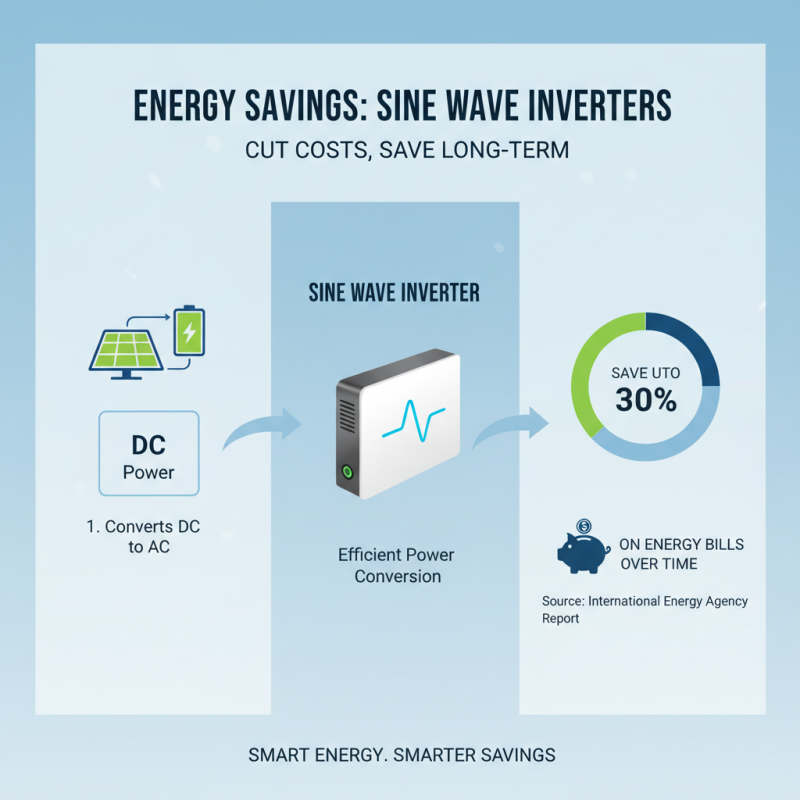
Sine wave inverters efficiently convert DC to AC power, offering significant cost-effectiveness. According to a recent report from the International Energy Agency, households utilizing sine wave inverters can save up to 30% on energy bills over time. This saving accumulates, making a substantial difference in budget management.
Another study highlighted that sine wave inverters have longer lifespans compared to square wave alternatives. They reduce wear on appliances, enhancing their longevity. As appliances last longer, additional replacement costs are avoided, further contributing to savings.
Tip: Regular maintenance of inverters can prolong their lifespan significantly. Keeping them clean and ensuring secure connections is vital. Consider investing in quality inverters to maximize the benefits.
It’s worth noting that initial costs can be higher for sine wave inverters. However, the long-term savings can outweigh these costs. Many users don’t realize the full potential of energy savings until they switch. Ensuring that your inverter setup is optimized for efficiency can lead to noticeable differences in your energy bills.