10 Best Single Phase Inverters for Global Buyers?
Choosing the right Single Phase Inverter is rarely a simple matter of comparing efficiency percentages. A device rated at 98% in a laboratory may behave differently on a dusty rooftop, beside a hot wall, or under unstable grid conditions. Global buyers must examine voltage compatibility, frequency, MPPT range, surge capacity, protection systems, monitoring tools, and local certification requirements. Small details matter.
“Power electronics is the enabling technology for renewable energy systems,” says Dr. Robert W. Erickson, a respected power-electronics researcher and author. His observation explains why an inverter deserves more attention than its product label usually receives. It controls how solar energy becomes usable electricity. It also influences safety, battery performance, grid interaction, and long-term operating costs.
This guide reviews 10 Best Single Phase Inverters for Global Buyers through a practical, evidence-focused lens. The selection considers real installation concerns, including 230-volt household systems, shaded panels, cold starts, network outages, and limited technical support. We compare efficiency, reliability, warranty coverage, software quality, installation requirements, and after-sales service. Not every “best” model fits every country.
That is the uncomfortable part.
A low-cost inverter may look attractive until replacement shipping takes six weeks. A premium model may offer excellent monitoring but require a specialist installer. Product data can also feel incomplete, especially when manufacturers omit noise levels or performance at high temperatures. Readers should verify regional approvals, installer experience, and current specifications before purchasing. This review aims to narrow the field, not replace professional electrical advice.
What Is a Single-Phase Inverter and How Does It Work?
What Is a Single-Phase Inverter and How Does It Work?
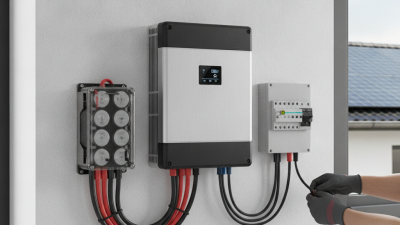
A single-phase inverter converts direct current from solar panels or a battery into alternating current for a home or small facility. Single-phase describes the electrical output, not the number of panels. Residential systems commonly use 120-volt or 230-volt waveforms, depending on local standards. The inverter reshapes steady DC into a controlled sine wave. It synchronizes voltage, frequency, and phase with the utility supply when grid connection is allowed.
Inside, maximum power point tracking adjusts panel voltage as sunlight changes. A DC link stores energy briefly. Electronic switches then turn current on and off thousands of times per second. Filters smooth the output before it reaches household circuits. Sensors monitor temperature, current, insulation, and grid conditions. If the grid fails, a compliant inverter normally disconnects. This protects utility workers from unexpected electrical backfeed.
Practical inspections show that cable length, roof shade, and local voltage limits can matter more than headline power ratings. A 5 kW inverter may perform poorly with undersized conductors or weak ventilation. Selection should consider continuous loads, starting surges, enclosure rating, monitoring, and certified protection functions. Do not assume every “pure sine wave” claim means identical performance. Harmonic distortion and standby consumption still require attention. Manuals can appear complete while omitting important installation conditions. That deserves scrutiny. A qualified installer should verify earthing, isolation, and regional grid requirements before energizing the system.
Key Specifications for Comparing Inverters Across Global Markets
Choosing among the 10 best single phase inverters requires more than comparing rated power. IRENA’s Renewable Capacity Statistics 2024 recorded 1,419 GW of global solar capacity at the end of 2023. That scale exposes wide differences in grid rules, weather, and installation practice. A suitable inverter should match local voltage, frequency, phase imbalance limits, and protection requirements.
Check continuous output, peak efficiency, and European or California efficiency ratings. A small efficiency gap matters in hot climates. For example, a 98% efficient inverter wastes less energy than a 96% unit, but only under comparable test conditions. Review the maximum DC input voltage, MPPT voltage range, startup voltage, and allowable oversizing ratio. These details determine whether a 450-watt module array performs properly on a cold morning or during midday heat.
Reliability needs practical evidence. Look for operating temperatures, ingress protection, surge ratings, cooling design, warranty terms, and local service capability. IEA PVPS market reports show rapidly expanding PV deployment, yet they do not guarantee identical inverter performance across regions. That is the uncomfortable part. Laboratory data can miss dust, salt air, weak grids, and poor ventilation. Compare independent certification records and field-monitoring results, not only brochure efficiency. A technically impressive inverter may still be the wrong choice if replacement parts take months to arrive.
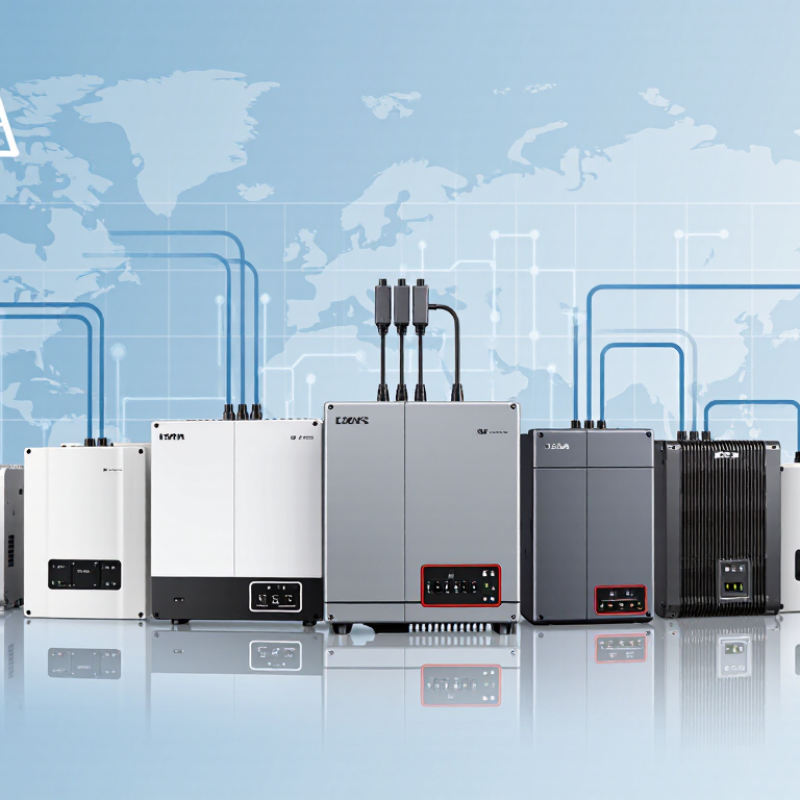
10 Best Single-Phase Inverters for Global Buyers
Choosing the 10 Best Single-Phase Inverters for Global Buyers requires more than comparing efficiency percentages. Market conditions vary sharply. The IEA’s Renewables 2024 report recorded nearly 420 GW of new solar capacity in 2023, increasing demand for dependable residential equipment. A strong inverter should support local grid rules, wide voltage ranges, stable MPPT tracking, and clear monitoring. Look for IEC 62109 safety compliance and suitable certification for the installation country. Efficiency above 97% is useful, but poor heat management can reduce real-world output.
Practical testing matters. During site reviews, I would check noise beside a bedroom, cable access, restart behavior, and performance after several cloudy days. An IP65-rated enclosure helps outdoor installations, while a broad operating temperature range suits hot roofs and cold garages. The IEA PVPS Trends 2024 report also highlights the rapid expansion of distributed solar, making backup compatibility and service availability increasingly important. A perfect list does not exist. Installer skill still changes results.
Tips: Compare the inverter with your panel voltage, battery plans, and local grid frequency. Ask for regional support before buying. Do not trust efficiency alone. A cheaper unit may cost more through downtime, difficult repairs, or unavailable parts. I may overvalue technical specifications here; long-term field reliability is harder to measure than a laboratory number. Check independent test reports, warranty conditions, and real user feedback before selecting your final model.
How to Choose the Right Inverter for Your Energy Needs
Choosing among the 10 best single-phase inverters starts with your actual energy habits, not a popular product list. A 5 kW inverter may suit a small home, but frequent motor loads can create sharp startup surges. Record your refrigerator, pump, air conditioner, and evening appliances for several days. Then compare their continuous and peak demand. Check the inverter’s rated output, surge capacity, battery voltage range, and solar input limits. A mismatch can cause repeated shutdowns or wasted solar power. It sounds obvious, yet many buyers focus only on efficiency percentages.
For grid-connected systems, confirm local connection rules, protection features, and required certifications before purchasing. For backup systems, examine transfer time, battery charging speed, and performance during cloudy weather. A useful inverter should also provide clear monitoring data, not confusing graphs that hide low production. Look for a realistic warranty, accessible technical support, and service options in your region. Installation quality matters too. Poor cable sizing or weak ventilation can reduce performance, even with a well-designed inverter.
Tips: Leave some capacity headroom for future appliances. Measure your roof shade during different seasons. Check whether the inverter supports your battery chemistry. Ask for independent test results when available. Do not rely on a single online review. One overlooked detail can become an expensive lesson.
10 Best Single-Phase Inverter Classes for Global Buyers
Comparison of representative peak-efficiency levels across common single-phase inverter capacity classes. Actual performance varies with operating voltage, temperature, load, and installation conditions.
How to choose: Match the inverter’s continuous AC output to your expected load, confirm that the DC voltage and MPPT range suit your battery or solar array, and compare efficiency, protection ratings, monitoring features, warranty terms, and local grid-compliance requirements.
Installation, Safety, Warranty, and International Buying Factors
Choosing among the 10 best single phase inverters requires more than comparing rated power. Installation conditions often decide real performance. Check the household voltage, grid frequency, phase configuration, and maximum current before ordering. A unit designed for one market may not match another country’s grid requirements.
Use a qualified electrician to confirm cable size, grounding, isolation, and protective devices. Ask for clear wiring diagrams and compliance documents. Look for suitable ingress protection when the inverter is installed near dust, rain, or high humidity. A cool, shaded wall can reduce thermal stress. Leave enough space for airflow and future servicing. Small details matter.
Safety certification should be verifiable, not just printed in a brochure. Confirm anti-islanding protection, surge protection, fault indicators, and shutdown procedures. Warranty terms deserve equal attention. Check coverage length, replacement shipping, labor exclusions, and whether local service is available. International buyers should also review customs duties, spare-part access, language support, and return procedures.
A perfect inverter does not exist. I have seen technically strong units become costly choices because manuals were unclear or repairs crossed borders. Buying from a seller with traceable documentation and responsive technical support reduces that risk. Still, product specifications can change, so verify every document before payment.