How to Choose the Best Smart Water Leak Sensor for Your Home
When it comes to protecting your home, a Smart Water Leak Sensor can play a crucial role. Water damage is costly and often preventable. Selecting the right sensor can make all the difference. Such devices alert you to leaks, potentially saving you thousands in repairs.
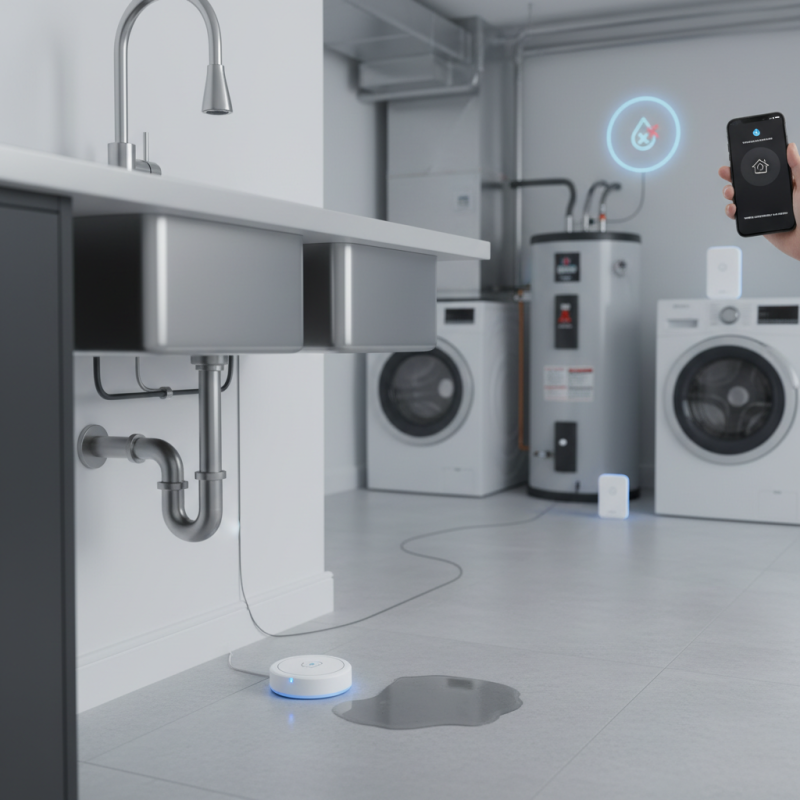
Consider the features of various Smart Water Leak Sensors. Some offer immediate alerts via smartphone, while others have a more basic setup. It's vital to find one that fits your needs and lifestyle. Think about where leaks might occur in your home, too. Basements and under sinks are common places that demand attention.
You may find some sensors lacking features that others provide. Reflect on how easy it is to set them up. The best sensor should integrate seamlessly into your smart home system. Don't overlook your budget; great options exist at various price points. Choosing wisely can reduce your stress related to water damage.
Understanding Smart Water Leak Sensors and Their Importance
Smart water leak sensors are vital for modern homes. These devices detect leaks early, saving homeowners from extensive damage. According to a report by the Insurance Information Institute, water damage accounts for more than 20% of all insurance claims. That's a significant portion, emphasizing the importance of leak detection.
Most sensors work through moisture detection or flow monitoring. They can alert users via smartphone notifications, ensuring timely responses. Over 37% of homeowners have experienced some form of water damage, showing just how common these issues are. While smart sensors are effective, they are not infallible. Some might be prone to false alarms, especially in humid spaces. Proper placement is crucial; otherwise, they might miss real leaks. It's not just about buying a device; how you integrate it into your home matters.
Many consumers overlook routine maintenance for these sensors. Regular testing ensures they function properly. A recent survey indicated that 68% of users never check their devices. This negligence can lead to missed leaks and costly repairs. With the right understanding, homeowners can select effective sensors that protect their properties and investments.
Key Features to Consider When Choosing a Water Leak Sensor
When choosing a smart water leak sensor, consider its sensitivity. A sensor that detects small leaks can prevent significant damage. Look for models that trigger alerts quickly, ideally within seconds. This ensures timely action can be taken before water spreads.
Connectivity features matter, too. A sensor that connects to your smartphone allows for remote monitoring. Notifications can be sent via app or SMS, providing peace of mind. Think about installation as well. Some devices are battery-operated, making placement easier. Others may require hardwiring, which could be complicating.
Additionally, consider the design and durability. A sleek, unobtrusive unit fits nicely in various spaces. Some sensors are waterproof, designed to resist harsh conditions. But remember, even the best features might not guarantee 100% effectiveness. Regular checks and maintenance are essential to ensure reliability.
Smart Water Leak Sensor Features Comparison
Types of Smart Water Leak Sensors Available on the Market
When choosing smart water leak sensors, it’s crucial to understand the types available in the market. Some sensors are designed to monitor conditions continuously. They can detect moisture and alert homeowners instantly. For instance, a recent report highlighted that early leak detection can prevent up to 95% of water damage cases.
Other models may focus on a specific area, such as under sinks or around appliances. These targeted sensors are often battery-operated. Their easy installation makes them attractive options for tech-savvy homeowners. However, many users overlook their limitations, such as battery life and connectivity issues.
Some advanced sensors integrate with home automation systems. This feature allows for remote monitoring and notifications via smartphone apps. Data shows that integrating leak sensors with existing systems can enhance efficiency. Yet, many forget to check compatibility, leading to frustrations. Finding the right balance between functionality and user needs requires careful consideration.
Installation and Setup: What You Need to Know
When installing a smart water leak sensor, location matters significantly. Place sensors in areas prone to leaks, like basements and under sinks. Don’t overlook appliances. Washing machines and dishwashers can be troublesome spots.
Tips: Check your home's layout. Ensure that all areas at risk are covered by the sensors. A single sensor may not be enough. Consider multiple units if necessary.
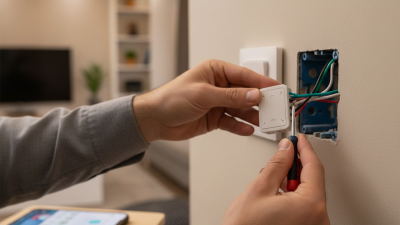
Setting up these devices is typically straightforward. Most sensors require only a power source and a Wi-Fi connection. Follow instructions carefully. Some users may find the instructions ambiguous or hard to follow. If so, it’s okay to consult online forums for guidance.
Tips: Before installation, test the sensors. Sometimes, they may not function as expected. Regularly check battery levels and connectivity. A small oversight can lead to major issues later.
How to Choose the Best Smart Water Leak Sensor for Your Home - Installation and Setup: What You Need to Know
| Feature |
Description |
Installation Type |
Battery Life |
Connectivity |
Price Range |
| Water Detection Technology |
Ultrasonic or conductive technology |
Wireless, easy setup |
1-3 years |
Wi-Fi or Zigbee |
$30 - $150 |
| Smartphone Alerts |
Real-time notifications on leaks |
DIY installation |
Up to 5 years |
Wi-Fi |
$40 - $200 |
| Additional Features |
Temperature and humidity monitoring |
Plug and play |
2-4 years |
Zigbee |
$50 - $250 |
| Integration with Home Systems |
Compatible with smart home setups |
Hardwired or wireless |
3-5 years |
Bluetooth or Wi-Fi |
$60 - $300 |
Integrating Water Leak Sensors with Home Automation Systems
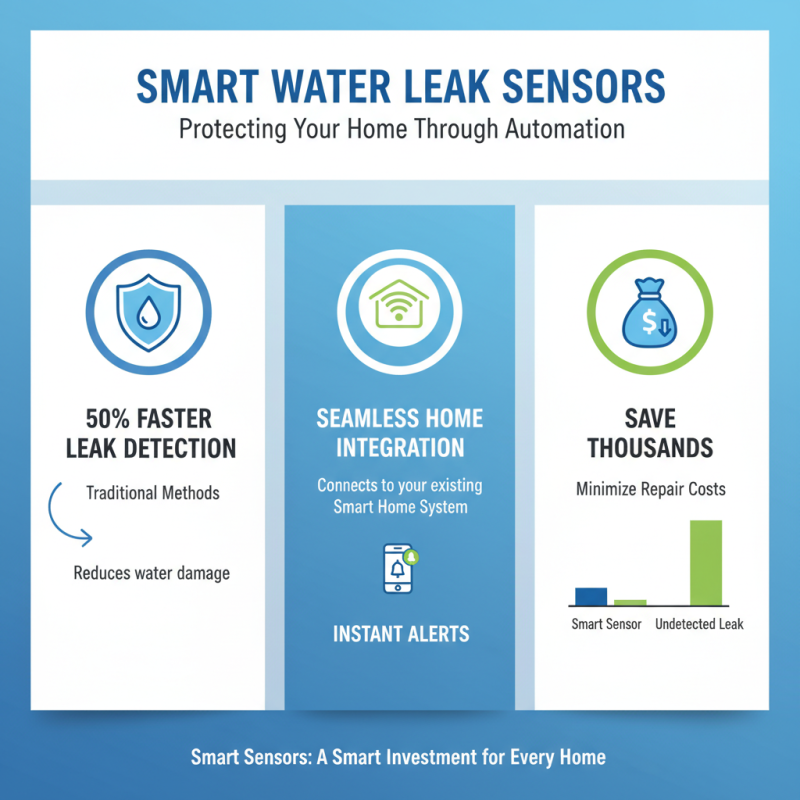
When selecting a smart water leak sensor, integration with home automation systems is crucial. Recent studies indicate that homes equipped with smart sensors can detect leaks up to 50% faster than traditional methods. A seamless integration allows these sensors to communicate promptly, sending alerts directly to your smartphone or home network. This can significantly reduce water damage and repair costs, which, according to industry reports, can reach thousands of dollars if leaks go undetected.
Consider the compatibility of your sensor with existing home automation systems. Many systems use Z-Wave or Zigbee protocols, enhancing connectivity. However, not all sensors support these. A sensor that integrates into your home network can trigger other smart devices, like shutting off the main water supply upon detection. Yet, this requires user-friendly setup and reliable connectivity, which may present challenges.
Monitoring capabilities also vary. Some sensors provide real-time updates, while others may offer only periodic check-ins. This might affect your response time. It's important to weigh the pros and cons of each option. You want a system that meets your needs. After all, water leaks don't wait for perfect conditions.