Leave Your Message

10 Essential Tips for Choosing No Neutral Smart Switch for Your Home?

When upgrading your home, choosing the right No Neutral Smart Switch can transform your living space. This device allows you to enjoy modern convenience without complex wiring changes. A No Neutral Smart Switch requires no neutral wire, making it ideal for older homes.

However, selecting the perfect switch can feel overwhelming. Different features, brands, and compatibility options exist. You might wonder which functions you truly need. For instance, some switches integrate with smart home systems, while others focus on basic functionality. It's easy to overlook your specific needs in a sea of choices.

It's essential to consider how a No Neutral Smart Switch fits your lifestyle. Think about the areas in your home where smart control matters most. Reflecting on your daily routines can guide you. Remember, it’s not just about features, but also about your comfort and experience. Choosing wisely will enhance your home's efficiency and ambiance.
10 Essential Tips for Choosing No Neutral Smart Switch for Your Home?

Understanding No Neutral Smart Switch Technology

Understanding No Neutral Smart Switch Technology is key to modernizing your home. These switches operate without a neutral wire, making them suitable for older electrical systems. A study showed that nearly 60% of homes lack a neutral wire in their existing switch boxes. This is a common issue that many homeowners face, especially in older buildings.

No neutral smart switches utilize advanced technology like capacitive load detection. This allows them to work even with just a live and ground wire. They are designed to be energy-efficient, often consuming less than 0.5 watts while idle. However, the compatibility can vary. Homeowners might encounter flickering lights or connectivity issues if the load is too low. It’s essential to check your current wiring before investing.

Choosing the right no neutral smart switch requires understanding its features and limitations. Some models may require an additional hub for full functionality, complicating your smart home setup. Moreover, installation can be tricky and should be approached carefully. Always consider local electrical codes before proceeding.
Benefits of Using No Neutral Smart Switches in Your Home

10 Essential Tips for Choosing No Neutral Smart Switch for Your Home?

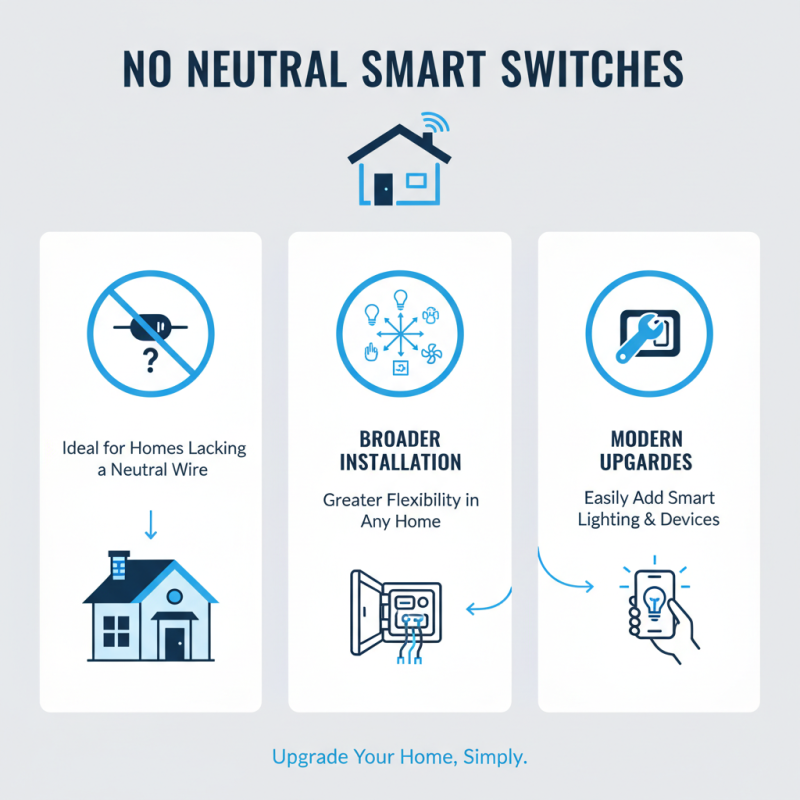
No neutral smart switches offer numerous advantages for modern homes. They are perfect for homes lacking a neutral wire. This flexibility allows for broader installation options. For example, in older homes, wiring may not accommodate new smart devices easily. No neutral switches solve this dilemma.

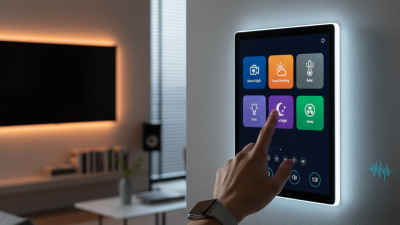
One major benefit is convenience. You can control lighting remotely or automate it. Imagine arriving home and the lights turn on automatically. It's convenient and enhances safety, especially at night. Additionally, these switches save energy. You can set schedules to turn off lights when they are not needed. This could lead to lower energy bills over time.

However, installation can be tricky. Some may find it daunting without professional help. Not all fixtures are compatible, leading to potential confusion. It's worth considering whether you’re comfortable with technology. Moreover, some users notice connectivity issues in certain setups. This requires careful placement of smart devices to ensure reliable performance.

Key Features to Look for When Choosing a No Neutral Smart Switch

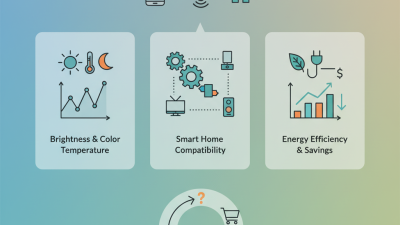
When choosing a no neutral smart switch for your home, consider crucial features that enhance functionality and safety. One key aspect is compatibility with existing wiring setups. A recent industry report indicates that about 30% of homes lack a neutral wire. Selecting a switch that can operate efficiently under these circumstances is essential for seamless integration.

Look for switches with advanced smart technology. Many offer Wi-Fi connectivity, allowing control via mobile apps. This feature provides flexibility in managing your home lighting. Additionally, consider energy monitoring capabilities, as they can help track electricity usage. According to data from smart home industry studies, energy-efficient devices can reduce consumption by up to 15%.

Don't overlook safety features. Some smart switches offer overload protection, which can prevent electrical fires. It’s wise to check for certifications that ensure the product meets safety standards. When assessing ease of installation, remember that some models might require professional help, which adds to installation costs. Verify if the product specifications align with your needs before making a decision.

Key Features to Consider When Choosing a No Neutral Smart Switch

Popular Brands and Models of No Neutral Smart Switches

When selecting a no neutral smart switch, understanding popular brands and models is crucial. Numerous brands offer innovative solutions to suit various needs. Researching online forums and reviews can unveil insights about these devices. User experiences often highlight features that may matter to you, such as ease of installation and compatibility with existing setups.

Several tips can help guide your choice. First, check compatibility with your home’s lighting system. Not all switches work with every type of lighting. Pay attention to voltage and wattage ratings as well. Secondly, look for features like app control or voice activation. These can make daily use more convenient.

Remember to factor in design and aesthetics. A smart switch should blend well with your decor. Consider the size and color options available. Installation can also pose challenges. Homeowners sometimes overlook the required tools; ensure you have everything needed for a smooth setup. Researching thoroughly may save you from future headaches. Always keep in mind that practicality should align with your preferences.

10 Essential Tips for Choosing No Neutral Smart Switch for Your Home

Feature Description Pros Cons
Wi-Fi Connectivity Enables remote access and control via smartphone apps. Convenience and easy integration with smart home systems. Requires stable Wi-Fi signal.
Voice Control Compatible with voice assistants like Alexa and Google Assistant. Hands-free operation and added convenience. May require additional setup and compatibility checks.
Load Compatibility Works with various types of loads (LED, incandescent, etc.). Flexibility in lighting options. Some models may have limitations on wattage.
Ease of Installation No neutral required, which simplifies installation in older homes. Saves time and installation costs. May limit options for certain features.
Smart Features Includes scheduling, automation, and scene control. Enhances home automation capabilities. Complex features may require user familiarity.
Energy Monitoring Tracks energy usage for connected devices. Can help reduce energy costs. Requires a compatible app for full functionality.
User Interface Touch or physical buttons for operation. Intuitive use for all age groups. Touch interfaces may be less reliable in some conditions.
Safety Features Overload protection and surge protection. Increased device safety and longevity. May add to the cost of devices.
App Compatibility Supported by various third-party applications. Flexibility in home automation systems. Limited features depending on the app.
Aesthetics Available in various styles and colors. Can match home decor. Less variety may be available depending on the model.

Installation Considerations for No Neutral Smart Switches

Installing no neutral smart switches can seem daunting. Many homes lack a neutral wire in their existing electrical setups. According to a 2022 study, around 40% of homes built before the 1990s do not have these wires. This complicates installation and limits options.

Understanding the wiring in your home is vital. Without a neutral wire, your switch might not function correctly. Some models rely on small amounts of current, which can lead to flickering lights or device failure. It’s crucial to check compatibility before purchasing. Installation can also be tricky. Improper wiring can pose safety risks.

Consider using smart switches designed specifically for homes without neutrals. They are engineered to adapt to various setups. However, it’s important to note that performance may vary. Some users report issues with connectivity or responsiveness. Always read detailed reviews before making a decision. This reflects the reality of the product landscape for homeowners embarking on smart home upgrades.