Top 10 3KW Solar Inverter Brands for Global Buyers
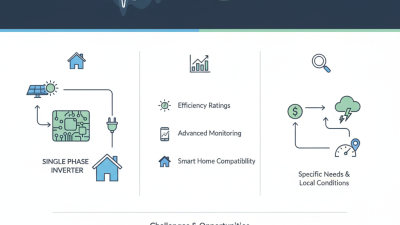
Choosing a reliable 3KW Solar Inverter can shape the performance, safety, and long-term cost of a solar system. Global buyers often compare efficiency, MPPT range, battery compatibility, monitoring tools, and warranty support. These details matter.
A 3KW model may suit a small home, workshop, rural office, or backup system. However, local sunlight, grid conditions, load patterns, and installation practices can change the best choice. A product performing well in Spain may need different settings in Kenya or Australia. Buyers should check operating temperatures, surge capacity, protection functions, and regional certification before ordering.
This guide examines ten leading 3KW Solar Inverter brands for international purchasing decisions. The comparison considers published specifications, manufacturing experience, technical support, user feedback, and after-sales reliability. It also looks beyond impressive efficiency figures. A clear manual, responsive service team, and available replacement parts can matter more after installation.
Real projects are rarely perfect. Some brands offer stronger hardware but weaker software. Others provide attractive prices while leaving support unclear. No ranking is completely universal. That limitation deserves attention.
Buyers should request datasheets, test reports, warranty terms, and installation requirements directly from manufacturers or authorized distributors. Independent inspection may also reduce costly surprises. Professional installation remains essential, especially where high-voltage battery systems are involved. The following brands provide useful starting points, but final selection should match the site, budget, installer expertise, and applicable electrical standards.
3 kW Inverter Market Scope: Global Demand, 97%+ Efficiency, and Key Trends
Global demand for 3 kW solar inverters is expanding with residential and small commercial PV installations.
IRENA’s Renewable Capacity Statistics 2024 recorded about 346 GW of new solar capacity in 2023. The IEA PVPS Trends 2024 report estimated more than 400 GW of global PV additions, using different reporting boundaries. That gap matters when comparing market forecasts.
Many current 3 kW inverter models advertise peak efficiencies above 97%. Real performance depends on temperature, load level, cable losses, and ventilation. A 97.5% datasheet figure can disappoint on a dusty wall at midday.
Field testing is still more useful than brochure figures. Buyers should check European, California, or weighted efficiency values, not only maximum efficiency.
Demand is moving toward hybrid systems, battery readiness, remote monitoring, and rapid shutdown functions.
Wood Mackenzie’s global inverter market research identifies storage integration and grid-support capability as major development themes. In practice, a compact 3 kW unit must handle voltage variation, cloudy ramps, and frequent low-load operation. MPPT range is crucial on roofs with east-west panels. Local grid codes also change the buying decision. Some reports group residential and commercial products together, which can blur the true 3 kW segment. That weakness deserves more attention.
How 3 kW Solar Inverters Work: MPPT, DC Input, Grid Output, and Storage
A 3 kW solar inverter converts panel electricity into usable household power. Its MPPT system continuously adjusts voltage and current. This helps panels produce more energy during changing sunlight. In practical installations, shading on one panel can still reduce the output of its connected string. That limitation is easy to underestimate.
Installers should check maximum DC voltage, operating range, and current rating against the panel layout. Cold mornings can raise panel voltage, so the highest expected voltage matters. The inverter’s grid output must match local electrical requirements and household demand. Stable grid synchronization protects equipment and reduces unnecessary disconnections. Efficiency figures look impressive, but real performance also depends on heat, cable length, and ventilation.
Battery storage adds flexibility, especially when evening loads are significant. However, battery compatibility is not universal. A storage-ready inverter may still need a separate battery controller or backup switch. Some systems cannot power appliances during an outage without additional equipment. Read the wiring diagram carefully. Independent testing, clear manuals, and responsive technical support indicate dependable engineering. A useful buying habit is comparing measured performance, not only advertised peak efficiency. Even careful selection can miss unusual roof temperatures or future load growth. That is where professional site assessment remains valuable.
Top 10 Global 3 kW Inverter Brands Compared by Features, Markets, and Support
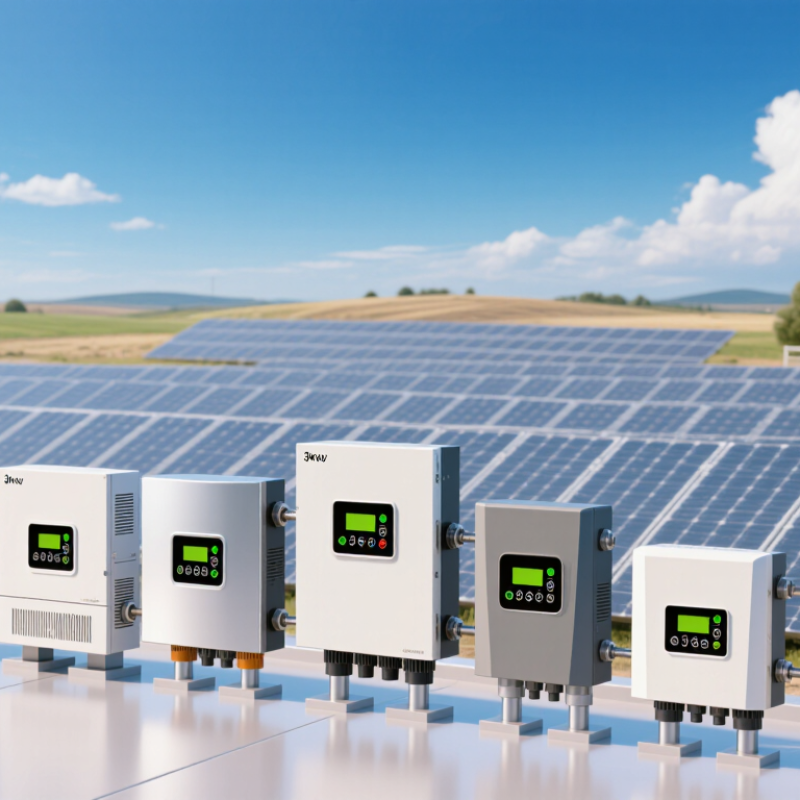
The ten leading 3 kW inverter brands serve different residential markets, rather than offering identical products. IEA PVPS reported that global solar capacity exceeded 1.6 terawatts by the end of 2023, increasing demand for compact, grid-connected systems. For buyers, efficiency alone is not enough. The practical comparison includes MPPT voltage range, startup performance, battery compatibility, backup switching, and IP65 weather protection. Several top-tier models provide two MPPT inputs, remote monitoring, and peak efficiencies above 97%. These features suit rooftops with partial shade or changing roof directions.
Market coverage also separates the brands. European-focused suppliers often emphasize strict grid-code compliance and low-voltage ride-through functions. Manufacturers active in Asia and Africa may prioritize wide voltage tolerance, simple installation, and affordable replacement parts. In Latin America, dealer training and multilingual support can matter more than a small efficiency difference. SolarPower Europe’s Global Market Outlook 2024-2028 expects continued strong annual solar additions, but service quality remains uneven across regions. That gap deserves attention.
Warranty terms need careful reading. A ten-year product warranty may exclude labor, transport, or damage caused by unstable grids. Field experience suggests checking response times, local stock, firmware procedures, and installer training before purchase. Battery integration is another dividing line: some units support lithium systems with closed-loop communication, while others rely on basic voltage control. The comparison is imperfect. Published efficiency figures often come from controlled tests, not dusty rooftops at 45°C. IEA PVPS and regional certification databases should verify claims before contracts are signed.